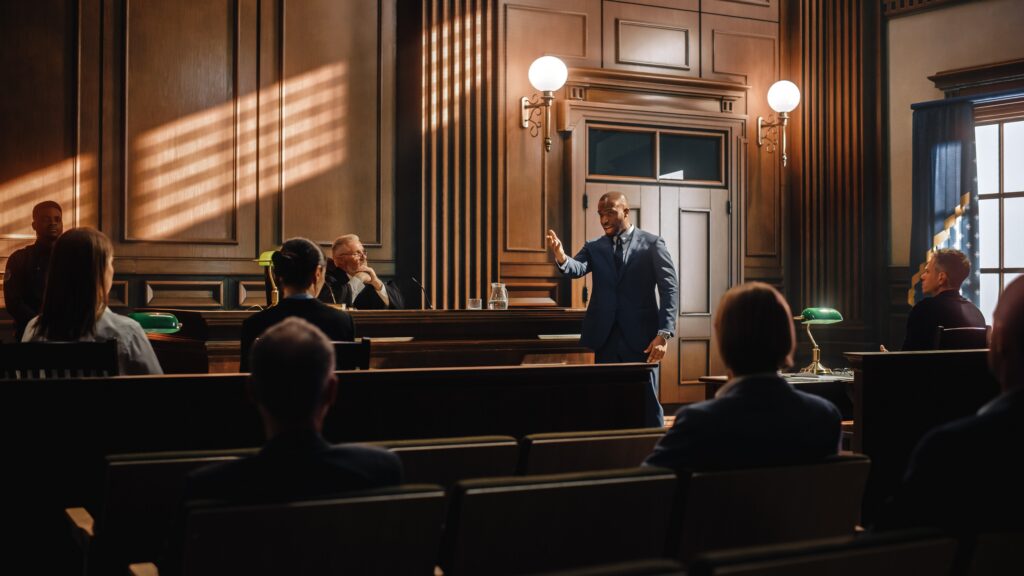
If you have ever watched a courtroom drama, you have heard an attorney jump up and shout "Objection!" followed by a judge responding with a single word: "sustained" or "overruled." These rulings might seem like small courtroom moments, but they can significantly shape what a jury hears and, in some cases, affect the outcome of a criminal case.
The criminal defense attorneys of Dewey & Braud Law bring a dual perspective defense to every case, built on insight from both sides of the courtroom and honed through a methodology rooted in military service. Our attorneys know exactly when and how to object, and just as importantly, when not to, because we understand how these split-second decisions shape a jury's perception of a case.
Call us today at (225) 953-8330 if you are facing criminal charges and want an attorney who knows how to fight for you in the courtroom.
What Is an Objection in Court?
An objection is a formal statement made by an attorney during a trial, challenging a question, piece of testimony, or evidence that they believe should not be allowed under the rules of evidence. Objections are a routine and expected part of criminal trials in Louisiana, and they exist to make sure both sides play by the same rules when presenting information to a judge or jury.
When an attorney objects, the judge must immediately decide whether the objection is valid. The judge responds with one of two words: sustained or overruled, and that single word determines whether the jury gets to hear the information in question.
What Does "Sustained" Mean in Court?
When a judge says sustained, it means the judge agrees with the objection. The question, testimony, or piece of evidence being challenged is not allowed to proceed as presented.
If a witness had already begun answering or the statement was already made, the jury is typically instructed to disregard what they heard.
Common Reasons Judges Sustain Objections
Judges commonly sustain objections for reasons including:
- Irrelevant evidence that has no bearing on the facts of the case.
- Hearsay, meaning an out-of-court statement offered to prove the truth of what it claims, which is generally not allowed.
- Leading questions, particularly during direct examination, where an attorney essentially suggests the answer within the question itself.
- Speculation or lack of proper foundation, when a witness is asked to guess or assume rather than testify to what they actually know.
- Argumentative or improper questioning that pressures or badgers a witness rather than seeking factual testimony.
Example of a Sustained Objection
Imagine a prosecutor asks a witness, "Didn't the defendant tell you he wanted to hurt someone?" Defense counsel objects, arguing this calls for hearsay, because the witness would be repeating an out-of-court statement that the prosecutor is offering to prove the truth of what it claims.
If the judge sustains the objection, the witness cannot answer the question as asked, and if any part of the answer was already given, the jury is instructed to disregard it.
What Does "Overruled" Mean in Court?
When a judge says overruled, it means the judge disagrees with the objection. The question or testimony is allowed to proceed, and the jury can consider that information as part of the evidence in the case.
Common Reasons Judges Overrule Objections
Judges commonly overrule objections when:
- The evidence is relevant and admissible under the rules of evidence
- The question follows proper courtroom procedure
- The objection is incorrectly applied or lacks a valid legal basis
- The witness is qualified to answer the specific question being asked
- The statement falls within a recognized exception to the hearsay rule
Example of an Overruled Objection
Consider a scenario where a defense attorney asks a witness about their own personal observations at the scene of an alleged crime, and the prosecutor objects, arguing the question is irrelevant.
If the judge determines the witness's firsthand observations are indeed relevant to the case, the objection will be overruled, the witness will answer the question, and the testimony becomes part of the trial record.
Why Do Judges Sustain Some Objections and Overrule Others?
Judges act as the gatekeepers of evidence during a trial, applying Louisiana's rules of evidence to determine what a jury is legally permitted to hear. Every ruling requires the judge to apply legal judgment to the specific context of the question, the witness, and the case as a whole.
Because these decisions happen quickly and are based on nuanced legal standards, experienced attorneys on both sides play a critical role in shaping what evidence a jury ultimately considers.
What Happens After an Objection Is Sustained or Overruled?
Once an objection is raised, the judge must decide whether to allow the question or testimony to proceed. That decision controls what the jury hears, what becomes part of the trial record, and how the attorneys adjust their questioning.
After a Sustained Objection
When an objection is sustained, the questioning attorney must rephrase the question or move on to a different line of questioning entirely. If testimony was already given before the objection was raised, the jury is instructed to disregard it, and the excluded information generally does not become part of the evidence the jury may consider.
After an Overruled Objection
When an objection is overruled, the witness answers the question as originally asked, and that testimony becomes part of the trial record for the jury to consider. The trial proceeds without further interruption on that particular issue, though the opposing attorney may raise a similar objection later if the line of questioning changes or new circumstances arise.
How Do Lawyers Know When to Object?
Knowing when and how to object is a skill built through training and courtroom experience. Attorneys must have a strong command of the rules of evidence to identify a valid basis for objecting in real time, often within seconds of hearing a question.
Experienced attorneys also think strategically, understanding that objecting too frequently in front of a jury can sometimes backfire, making it appear as though the attorney is trying to hide something from them.Timing and courtroom awareness matter as well, since objecting at the right moment, and choosing not to object in others, can shape a jury's perception of a case.
Additionally, raising a timely objection is often necessary to preserve certain legal issues for a potential appeal later on, even if the objection is overruled at trial.
Why Having an Experienced Louisiana Criminal Defense Lawyer Matters
The difference between a sustained and overruled objection can directly affect what evidence a jury hears and how they perceive your case.
An attorney who recognizes improper questioning, hearsay, or a lack of proper foundation, and who knows how to raise the objection effectively, can prevent damaging or improper evidence from ever reaching the jury.
Courtroom experience and familiarity with local Louisiana courts and procedures can make a meaningful difference in how effectively these moments are handled during your trial.
Speak With a Baton Rouge Criminal Defense Lawyer Today
If you are facing criminal charges in Baton Rouge, having an attorney who understands courtroom procedure, evidentiary rules, and how to protect your rights during trial matters enormously.
Dewey & Braud Law has provided reliable representation to Baton Rouge clients for over a decade. We maintain a small caseload intentionally, so every client gets direct attention and clear, honest communication about their case rather than getting lost in a crowded docket.
Contact Dewey & Braud Law at (225) 953-8330 for a free consultation, and let our experienced team help you build the strongest possible defense.