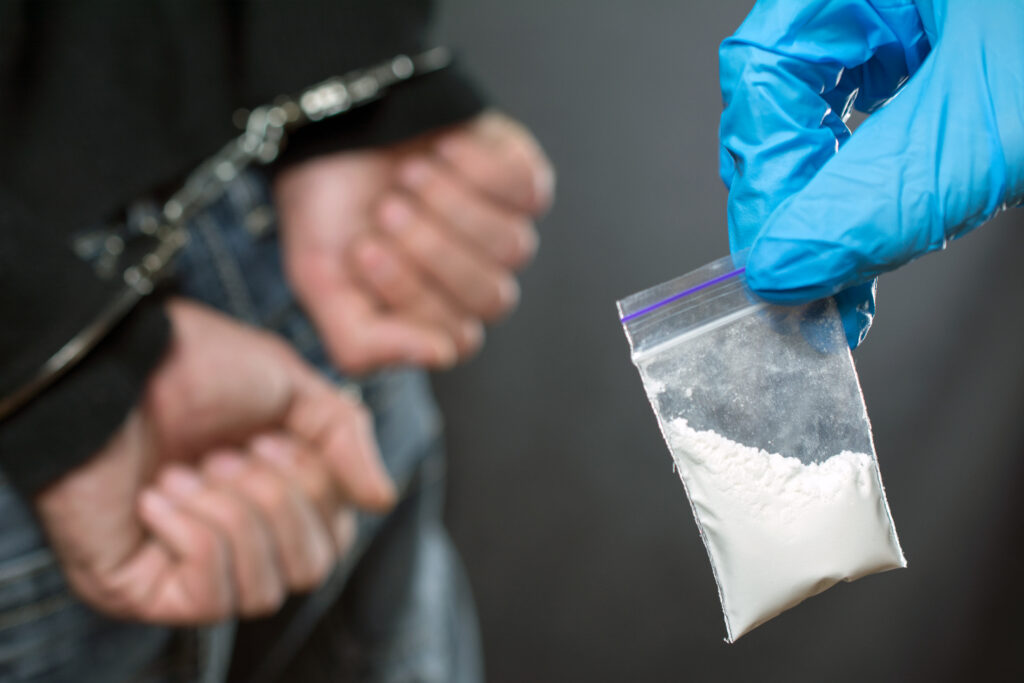
Being arrested for a drug offense in Louisiana can feel overwhelming and confusing, especially if you are unsure what happens next or whether your rights were respected. Louisiana drug laws are strict, and even a first-time charge can carry serious consequences.
At Dewey & Braud Law, we help individuals in Baton Rouge and across Louisiana understand their rights and navigate the criminal justice system during these high-stress situations. Our criminal defense attorneys can walk you through how drug cases typically unfold, your rights during an arrest, and what steps you can take to protect yourself moving forward.
Understanding Louisiana Drug Laws and Common Charges
Louisiana classifies controlled substances into five schedules, ranging from Schedule I (like heroin or LSD) to Schedule V (lower-risk prescription medications). The classification is important because penalties often depend on the type of drug, the amount involved, and whether there is evidence of distribution. Even small amounts can lead to significant charges, especially if there are prior offenses or aggravating factors.
Drug Possession Laws in Louisiana
Drug possession laws in Louisiana distinguish between simple possession and more serious offenses.
Simple possession generally means having a controlled substance for personal use. Penalties vary depending on the drug and your criminal history, but even first offenses can involve fines, probation, or jail time.
Repeat offenses or possession of certain substances may elevate the severity, leading to longer sentences and higher fines.
Possession With Intent to Distribute in Louisiana
Possession with intent charges in Louisiana are more serious than simple possession. Prosecutors do not need direct evidence of a sale, they can infer intent based on circumstances.
Common factors include:
- Large quantities of drugs
- Packaging materials like baggies or scales
- Large amounts of cash
- Communications suggesting sales
A conviction can result in felony charges, significant prison time, and steep fines.
Constructive Possession in Louisiana
Constructive possession allows someone to be charged even if drugs are not found directly on them. For example, if drugs are discovered in a shared car, home, or apartment, you could still face charges if law enforcement believes you had knowledge of and control over the substance. This often becomes a key factor in defending a drug case.
Prescription Drug Charges in Louisiana
Prescription drug charges involve possessing medication without a valid prescription or obtaining drugs through illegal means.
Examples include:
- Using someone else’s prescription
- Doctor shopping
- Forging prescriptions
- Distributing prescription medication
These charges can range from misdemeanors to felonies depending on the circumstances.
Drug Paraphernalia Laws in Louisiana
Drug paraphernalia laws in Louisiana make it illegal to possess items used to consume, package, or distribute drugs. Common examples include pipes, syringes, scales, and baggies. Even if no drugs are present, paraphernalia alone can lead to separate charges.
What Happens During a Drug Arrest in Louisiana?
Understanding what happens during and after a drug arrest can reduce uncertainty and help you make informed decisions. If you are facing charges, the drug crime attorneys at Dewey & Braud Law can help you understand your rights and what to expect at each stage of the process.
A typical drug arrest in Louisiana may include:
- An initial stop or investigation, such as a traffic stop, execution of a warrant, or police responding to a tip.
- Officers establishing probable cause before making an arrest or conducting a search.
- A search and seizure, which may occur with or without a warrant depending on the circumstances.
- Arrest and booking, including fingerprinting, photographs, and formal charges.
- An initial court appearance where bond and arraignment are addressed.
From there, the drug case moves through the Louisiana criminal justice system, which may involve pretrial hearings, negotiations, or trial.
Your Rights During an Arrest in Louisiana
Your constitutional rights apply at every stage of a drug arrest in Louisiana. Understanding these rights during an arrest can help you avoid common mistakes that may harm your case. Your rights include:
- Right to remain silent: You are not required to answer questions, and in many situations, police must advise you of your Miranda rights Louisiana protections before a custodial interrogation.
- Right to refuse certain searches: You can refuse searches if officers do not have a warrant or legal justification; clearly state that you do not consent, but do not physically resist.
- Right to an attorney: You can request legal representation at any time, and it is often best to do so before answering any questions.
- Protection against self-incrimination: Statements made without an attorney present can be used against you, even if you believe you are helping your case.
What Is Probable Cause in Louisiana Drug Arrests?
Probable cause in Louisiana means law enforcement must have a reasonable basis to believe that a crime has been committed before making an arrest. This standard is based on the facts and circumstances officers observe at the time, such as the odor of drugs, visible contraband or paraphernalia, information from informants, or behavior that suggests drug activity.
It is important to understand that being arrested does not mean you are guilty. It means police believe there is enough evidence to move forward with a case. Officers also do not need definitive proof at the time of arrest. Probable cause is a much lower standard than the “beyond a reasonable doubt” threshold required for a conviction.
What Happens After a Drug Arrest?
After booking, the prosecution formally files charges, and the case begins moving through the court system. While every drug case is different, the process typically includes:
- Bail or pretrial release decisions, where the court determines whether you can be released and under what conditions.
- Arraignment, where you are formally charged and enter a plea.
- Pretrial motions, which may include challenges to evidence, searches, or police procedures.
- Negotiations or trial, depending on whether the case is resolved through a plea agreement or proceeds to court.
Outcomes depend heavily on the specific facts of the case and the legal issues involved.
How Long Does a Drug Case Take?
The timeline for a drug case in Louisiana can vary significantly. Some cases may resolve within a few months, while others can take a year or more to reach a final outcome.
Several factors influence how long a case takes, including the complexity of the charges, the court’s schedule, whether pretrial motions are filed, and whether the case is resolved through plea negotiations or proceeds to trial.
Working with an experienced defense attorney at Dewey & Braud Law, can help you better understand the timeline of your case and what to expect at each stage of the process.
Long-Term Consequences of a Drug Conviction
A drug conviction can have lasting effects that go far beyond fines or jail time. In Louisiana, a conviction may result in a permanent criminal record that appears on background checks, making it more difficult to secure employment or housing. It can also lead to the loss of professional licenses, limit access to financial aid or educational opportunities, and impact your driving privileges.
Because these consequences can affect multiple areas of your life long after a case is resolved, it is important to take any drug charge seriously.
Common Defense Strategies in Louisiana Drug Cases
Defense strategies depend on the facts, but several common approaches may apply.
These include:
- Challenging illegal search and seizure under the Fourth Amendment
- Arguing lack of probable cause
- Disputing constructive possession
- Identifying chain of custody issues with evidence
- Raising entrapment or police misconduct concerns
- Negotiating for reduced charges or diversion programs
No strategy guarantees a specific outcome, but a strong legal defense can significantly affect how a case resolves. At Dewey & Braud Law, our attorneys can evaluate the details of your case to determine which strategies may be available and how to build the strongest possible defense.
When Should You Hire a Drug Crimes Attorney?
You should consider contacting a drug crimes attorney as soon as possible after an arrest, or even if you believe you are under investigation. Early legal guidance can make a meaningful difference in how your case is handled from the start.
It is especially important to speak with an attorney before answering questions from police, if you are facing felony charges, or if you have prior offenses that could increase the severity of the penalties. Early involvement allows your attorney to protect your rights and begin building a defense strategy right away.
How Dewey & Braud Law Can Help
Dewey & Braud Law brings local experience and a deep understanding of Louisiana drug laws to every case. Whether you are facing possession, possession with intent, or more complex allegations, our firm works to evaluate your situation and develop a tailored defense strategy.
Our team focuses on protecting your constitutional rights, identifying weaknesses in the prosecution’s case, and advocating for the best possible outcome, whether through negotiation or trial.
Contact Dewey & Braud Law today at (225) 953-8330 to discuss your case and take the next step forward.