Facing a criminal charge brings enough uncertainty without also wondering how much criminal defense representation may cost. The answer is that criminal defense attorney fees in Louisiana can vary considerably based on the charge, the facts of the case, the anticipated work involved, and the attorney’s fee arrangement. There is no fixed statewide rate.
At Dewey & Braud Law, we believe in clear, direct communication about fees from the start. If you're facing a criminal charge in Baton Rouge or the surrounding area, call (225) 953-8330 to schedule a free consultation.
What Is the Typical Cost of a Criminal Defense Attorney in Louisiana?
There is no single statewide benchmark for criminal defense attorney fees in Louisiana. Online estimates may not reflect the facts of your case, whether the matter is expected to resolve early or proceed to trial, or what services the fee agreement covers. During a consultation, ask for a clear explanation of the proposed fee arrangement and any expenses that may be charged separately.
How Do Criminal Defense Attorneys Charge Fees?
Criminal defense attorneys in Louisiana may use several fee structures. Asking how fees are calculated, what the fee includes, and whether additional costs may apply can help you compare representation options. Common criminal defense fee arrangements include:
- Flat fees: A set amount for a defined scope of representation. This arrangement may be used when the anticipated work is relatively predictable.
- Hourly fees: Fees based on the time an attorney spends on the case, which may include research, court appearances, negotiations, communications, and other legal work.
- Retainer fees: An advance payment that may be applied to attorney fees as work is performed, depending on the fee agreement. A lawyer may request an additional payment if the initial retainer is used.
- Hybrid or stage-based fees: A structure that combines billing methods or assigns separate fees to phases of a case, such as arraignment, pretrial proceedings, and trial.
How Does the Cost Change for a Misdemeanor vs. a Felony?
Misdemeanor cases may involve lower legal fees than felony cases, but the cost depends on the charge, the evidence, the client’s prior record, and whether the case is expected to proceed to trial.
Felony cases may require more extensive investigation, discovery review, motion practice, and trial preparation. Because they can involve more serious potential consequences and more work over a longer period, they may carry higher attorney fees.
What Factors Affect Criminal Defense Attorney Fees?
Several factors can affect what a criminal defense attorney charges, including:
- The severity and complexity of the charge
- Whether the case is likely to proceed to trial
- The amount of evidence and discovery involved
- The number of witnesses or experts that may need to be consulted
- The attorney's specific experience and reputation
- The anticipated length of the overall case
Does a Criminal Defense Attorney Charge More if the Case Goes to Trial?
A case that proceeds to trial may cost more than one resolved earlier because trial preparation and trial proceedings can require substantial additional attorney time. Depending on the case, there may also be separate expenses for matters such as investigators, expert witnesses, records, or other litigation-related needs.
Some attorneys include trial representation in the original fee agreement, while others use a separate or additional fee if the case proceeds to trial. Ask whether trial representation is included and how any additional attorney fees or case expenses would be handled before hiring an attorney.
Do You Pay a Criminal Defense Attorney if You Lose?
In most criminal defense matters, attorney fees are not contingent on the outcome of the case. In other words, a lawyer generally cannot charge a fee that depends on obtaining an acquittal, dismissal, or other particular result in a criminal case. Louisiana’s professional conduct rules prohibit contingent fees for representing criminal defendants.
Your payment obligations depend on the written fee agreement and the legal services provided, not on a guarantee of a particular case outcome. Before hiring an attorney, ask how the fee is structured, what services it covers, and whether additional fees or expenses could apply.
Private Criminal Defense Attorney vs. Public Defender
Louisiana may provide public defender services to people who qualify based on financial hardship. Eligibility generally depends on whether a person can obtain competent, qualified legal representation without substantial financial hardship to themselves or their dependents. Louisiana’s eligibility standards also identify circumstances in which financial hardship may be presumed.
A private criminal defense attorney is hired directly by the client. This can allow the client to choose counsel and discuss a fee arrangement with the attorney before representation begins.
Public defenders and private criminal defense attorneys are licensed lawyers who represent people facing criminal charges. The right option depends on a person’s financial circumstances, eligibility for appointed counsel, the nature of the case, and personal priorities.
What Should You Ask About Fees During a Criminal Defense Consultation?
During a consultation, consider asking these questions:
- What specific services are included in the quoted fee?
- Is trial representation covered or billed separately?
- What case-related expenses might be charged in addition to attorney fees?
- How and when are payments expected?
- What happens if the scope of your case changes?
- Will the fee arrangement be put in writing?
Getting clear answers to these questions upfront helps you understand exactly what you're agreeing to before you hire an attorney.
Talk with Dewey & Braud Law About Your Case
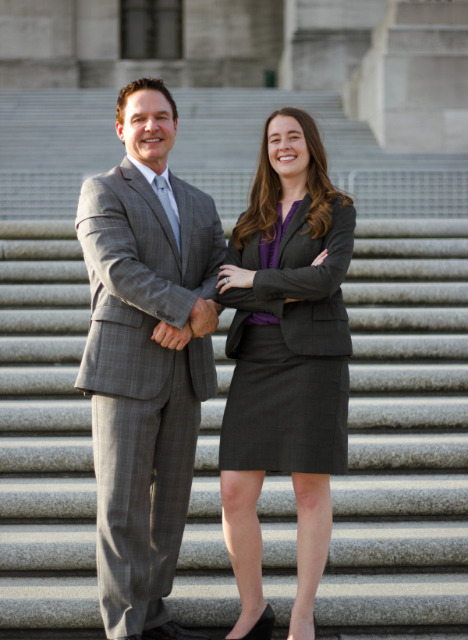
Dewey & Braud Law takes a dual-perspective approach to criminal defense, drawing on in-depth knowledge from both sides of the law to develop case-specific defense strategies. Attorneys Tommy Dewey and Hallye C. Braud bring more than 25 combined years of experience to the firm’s criminal defense practice.
If you are facing a criminal charge, a violent crime allegation, or a sex crime charge, Dewey & Braud Law can discuss your case and explain its fee structure from the start. Contact us at (225) 953-8330 to schedule a free, confidential consultation.